Blog

Your blog category

Blog

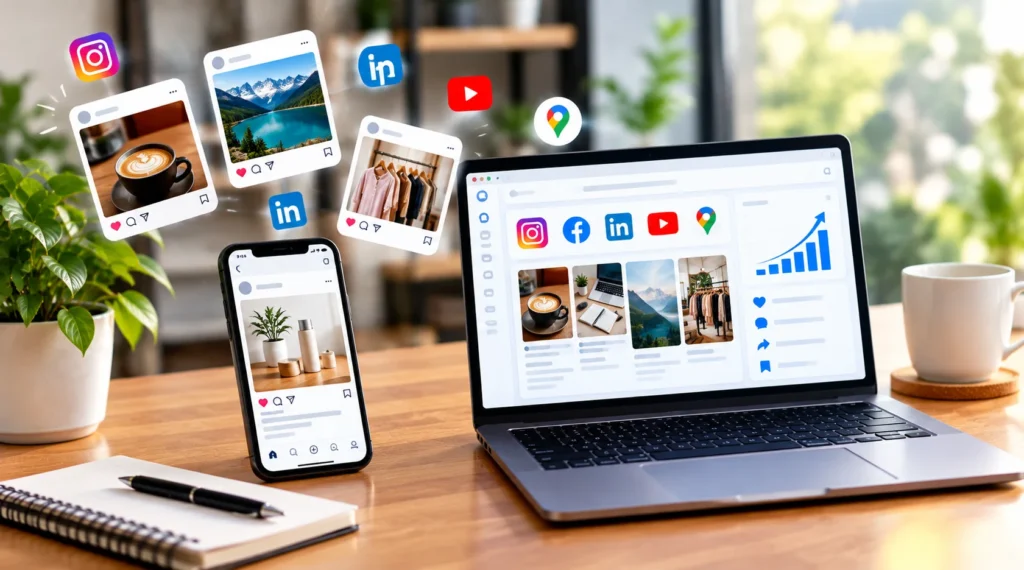
How Social Media Marketing Can Help Businesses Build a Stronger Brand

Social media has become an important communication channel for businesses of different sizes. Platforms such as Instagram, Facebook, LinkedIn, and YouTube allow businesses to communicate with existing customers, reach new audiences, showcase their work, and build recognition. However, simply creating social media accounts and posting occasionally does not automatically create results. Effective social media marketing requires a clear strategy, consistent content, creative presentation, audience understanding, and regular performance analysis. What Is Social Media Marketing? Social media marketing involves using social platforms to communicate with an audience and achieve specific business objectives. These objectives may include increasing brand awareness, generating leads, promoting products or services, building a community, driving website traffic, or maintaining relationships with existing customers. The right objective depends on the business. A new brand may focus heavily on awareness, while an established business may use social media to generate enquiries and maintain customer engagement. Know Your Audience First Before creating content, businesses should understand who they are trying to reach. Important questions include: Who are the customers? What problems do they have? What type of information do they need? Which platforms do they use? What motivates them to purchase? A business selling professional services may need educational content, case studies, industry insights, and expert information. A lifestyle brand may rely more heavily on visual content, demonstrations, customer experiences, and short-form videos. Content Should Have a Purpose Every post does not need to sell something. A strong content strategy usually includes different types of content. Educational posts can explain problems and solutions. Informational posts can answer common questions. Behind-the-scenes content can show the people and process behind a business. Testimonials can demonstrate customer experiences. Product or service content can explain what the business offers. This creates a more balanced social media presence. Consistency Builds Recognition Posting randomly can make a brand appear inactive. Consistency does not necessarily mean posting several times every day. It means maintaining a realistic publishing schedule that the business can follow. Consistent visual design also matters. Using recognizable fonts, colors, layouts, imagery, and communication styles can help people identify a brand more easily. A content calendar can help businesses plan posts in advance and maintain consistency. Creative Design Matters Social media is highly visual, particularly on platforms such as Instagram and Facebook. A useful message can lose attention if it is presented through a confusing design. Good creatives should have clear hierarchy, readable text, appropriate imagery, and a strong visual connection with the brand. However, design should support the message rather than overpower it. Short-Form Video Short-form video has become an important format for social media communication. Businesses can use short videos to demonstrate products, explain services, answer questions, show processes, introduce team members, share tips, or present customer experiences. The most effective videos do not always require expensive production. A clear idea, strong opening, useful information, and good presentation can be more important than complicated effects. Engagement Is More Than Likes Social media performance should not be measured only through likes. Comments, shares, saves, profile visits, website clicks, enquiries, messages, and conversions can provide additional information. For example, an educational post may receive fewer likes but many saves and shares. That could indicate that people find the information useful. Businesses should therefore connect social media metrics with their actual objectives. Paid Social Media Advertising Organic content and paid advertising can work together. Organic content helps maintain the brand’s presence and communicate with existing audiences, while paid campaigns can help businesses reach specific audience segments. Paid advertising can be used for objectives such as website traffic, lead generation, engagement, product promotion, or conversions. Campaigns should be monitored regularly and optimized based on performance rather than simply increasing the budget. Social Media and Website Social media should not exist separately from the website. A social media post can direct users to a service page, blog article, product page, landing page, contact form, or WhatsApp conversation. This creates a path from awareness to action. For example, a business can publish an educational post about a customer problem and then direct interested users to a detailed website page explaining the solution. Measure and Improve Social media strategy should evolve based on performance. Businesses can identify which topics, formats, platforms, and messages generate meaningful engagement and enquiries. Content that performs well can inspire future ideas, while content that consistently underperforms can be reviewed and improved. Testing different headlines, formats, posting styles, and calls to action can help businesses understand what their audience responds to. Final Thoughts Social media marketing is not simply about posting attractive graphics every day. It is about creating meaningful communication between a business and its audience. A successful strategy combines audience research, useful content, consistent branding, creative design, engagement, advertising, and performance analysis. When social media is connected with a business website and broader digital marketing strategy, it can become more than a communication channel. It can support brand awareness, customer relationships, website traffic, enquiries, and long-term business growth.
Blog

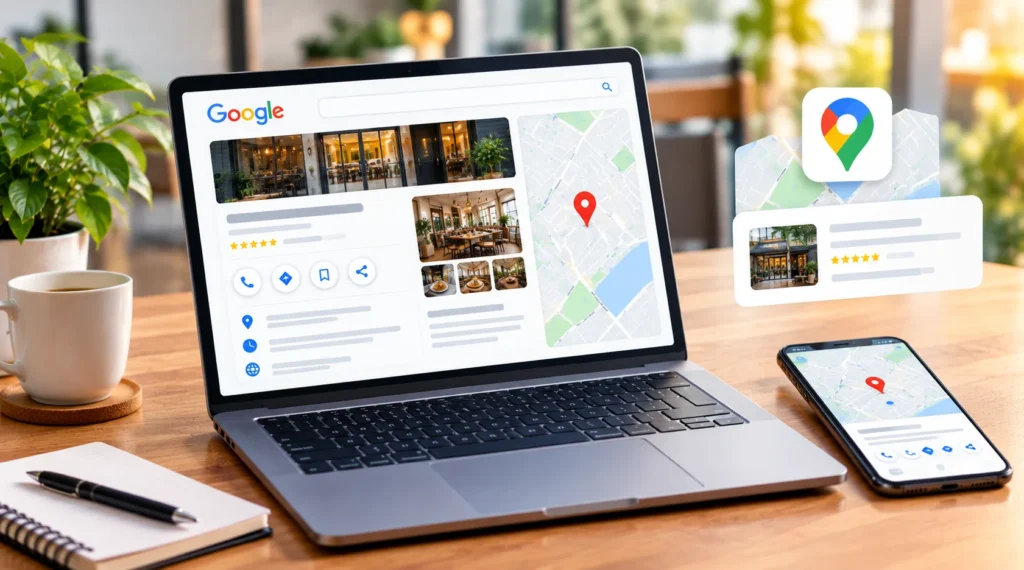
How Google Business Profile Can Help Local Businesses Get Found

For a local business, being visible online is not only about having a website. Customers often search for nearby businesses directly through Google Search and Google Maps. Someone looking for a restaurant, salon, clinic, repair service, agency, showroom, or local professional may search for a service along with a location. In these situations, a well-maintained Google Business Profile can become an important part of a local digital marketing strategy. Google Business Profile allows businesses to provide important information about their business directly through Google. What Is Google Business Profile? Google Business Profile is a business listing that can appear when people search for a company or related local services. A profile can include information such as business name, address, phone number, website, working hours, photos, services, reviews, updates, and other relevant details. For customers, this information can make it easier to understand a business and decide whether to contact or visit it. Why Accurate Information Matters Imagine a customer searches for your business and finds an old phone number or incorrect working hours. Even if the customer is interested, incorrect information can create confusion. Businesses should therefore regularly check their profile information. The business name, category, address, phone number, website, operating hours, service information, and other important details should remain accurate and consistent. If business information changes, the profile should be updated accordingly. Business Categories Are Important A Google Business Profile can have a primary category and additional categories where appropriate. Choosing relevant categories helps communicate what the business does. For example, a business offering digital marketing services should select categories that accurately represent its primary services rather than choosing unrelated categories simply because they appear popular. The goal should always be relevance and accuracy. Photos Can Improve the Business Profile Visual content can make a local listing more informative and attractive. Businesses can add photographs of their office, storefront, team, products, services, completed projects, interiors, or other relevant areas. Regularly updating visual content can also help keep the profile active and informative for potential customers. However, businesses should use genuine images that accurately represent the business instead of misleading or unrelated stock photographs. Google Posts and Updates Businesses can also share updates through their Google Business Profile. These updates can be used to communicate information about services, events, new products, announcements, offers, projects, or useful business updates. For example, a digital marketing agency could publish an update about a new service, while a restaurant could share information about a new menu. The content should remain useful and relevant instead of repeatedly posting the same promotional message. Customer Reviews Matter Reviews are an important part of the local customer experience. Before contacting a business, many people check what previous customers have said. Genuine reviews can provide additional information about service quality, customer experience, and reliability. Businesses should encourage satisfied customers to leave honest feedback. They should also respond professionally to reviews, including negative ones. A thoughtful response can show that the business pays attention to customer feedback. Businesses should never create fake reviews or manipulate customer feedback. Local Content and Website SEO Google Business Profile should not be treated separately from the website. A business website should clearly communicate its services, locations, contact information, and other relevant details. Local landing pages and useful location-based content can also support a broader local SEO strategy when they provide genuine value. For example, an agency serving multiple areas can create useful pages describing the services it provides in each area rather than creating repetitive pages with only the city name changed. Track Performance Businesses should regularly monitor their profile performance. Depending on the available reporting, useful metrics can include searches, views, website visits, calls, direction requests, and other customer interactions. These insights can help businesses understand how people discover and interact with their local presence. If one service receives significant interest, the business can create additional website content around that service and customer questions. GBP Is Part of a Bigger Strategy Google Business Profile is valuable, but it works best as part of a wider local marketing strategy. A business should maintain its website, SEO, social media presence, customer reviews, contact information, and online reputation consistently. When these channels communicate accurate and relevant information, customers can get a clearer understanding of the business. Final Thoughts For local businesses, online visibility is closely connected with being easy to find, understand, and contact. A properly maintained Google Business Profile can help customers discover important business information while supporting a broader local SEO strategy. The key is consistency. Keep information accurate, publish useful updates, add genuine photos, encourage authentic reviews, respond professionally to customers, and connect the profile with a well-optimized website. With regular attention, Google Business Profile can become an important part of a local business’s digital presence.

Blog

SEO, AEO and GEO: Understanding the New Era of Search

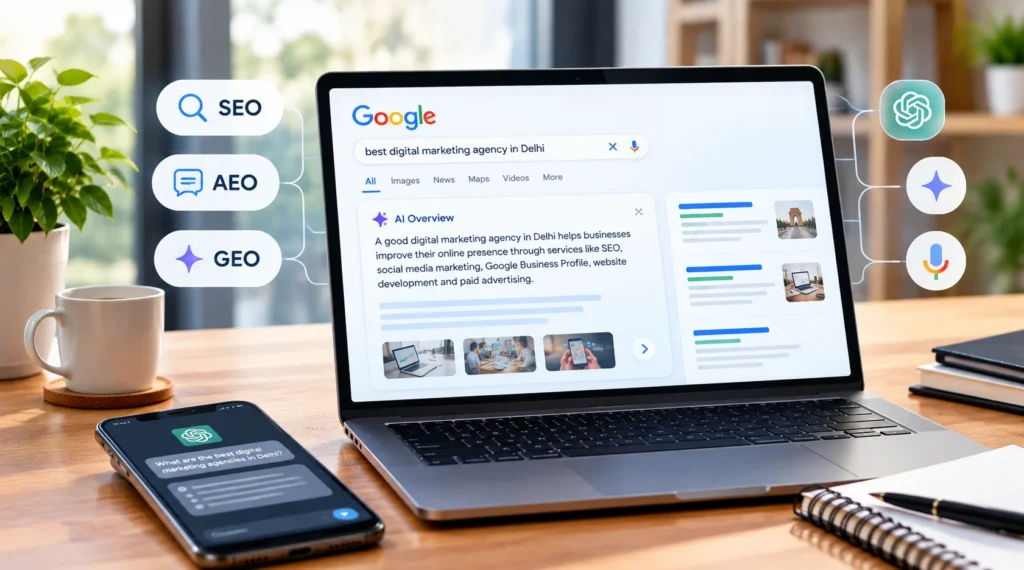
Search is changing. Earlier, people mainly searched Google and selected one of the displayed websites. Today, users can receive answers through search results, featured snippets, AI Overviews, voice assistants, ChatGPT, Gemini, Perplexity, and other AI-powered platforms. This change has introduced terms such as SEO, AEO, and GEO. Although they sound different, all three are connected to one important objective: helping people discover useful information and businesses online. Understanding the difference can help businesses prepare their websites and content for the changing search environment. What Is SEO? SEO stands for Search Engine Optimization. It focuses on improving a website so that its pages can appear in traditional organic search results. SEO includes keyword research, content optimization, technical improvements, internal linking, local SEO, website structure, and authority-building activities. For example, if a company provides website development services, it may create optimized pages around searches related to business websites, WordPress development, e-commerce websites, or website design. The objective is to make the website relevant to searches performed by potential customers. What Is AEO? AEO stands for Answer Engine Optimization. Instead of focusing only on traditional rankings, AEO focuses on providing clear answers that search engines and answer-focused systems can easily understand and present to users. People increasingly search using complete questions such as “How much does a business website cost?” or “How can I improve my Google Business Profile?” AEO-friendly content should answer these questions clearly and directly. Clear headings, concise explanations, FAQ sections, lists, structured information, and properly organized content can make information easier to understand and extract. What Is GEO? GEO generally refers to Generative Engine Optimization. It focuses on improving the chances of a brand or website being mentioned, referenced, or understood within AI-generated responses. When someone asks an AI platform for recommendations or information, the system may use information from different sources to construct an answer. This makes brand authority, useful content, consistent information, expert insights, and mentions across relevant websites increasingly important. GEO is not simply about inserting keywords into content. It is about creating information that is clear, trustworthy, useful, and easy for AI systems to understand in context. How Are SEO, AEO and GEO Connected? These three approaches should not necessarily be treated as completely separate strategies. SEO helps a website build traditional search visibility. AEO helps structure information around direct questions and answers. GEO focuses more broadly on visibility within generative search experiences. There is considerable overlap between them. For example, a detailed article about “How to Choose a Digital Marketing Agency” can be optimized for traditional search through keyword research and technical SEO. The same article can include direct answers to common questions for AEO and clear, authoritative information that may help generative systems understand the topic for GEO. Why Content Structure Matters Modern search systems need to understand information quickly. Long paragraphs without clear organization can make that difficult. Businesses should therefore use descriptive headings, short paragraphs, bullet points, examples, FAQs, and logically organized sections. Instead of writing a heading such as “Our Thoughts,” a business could use a more descriptive heading such as “How Does Local SEO Help Small Businesses?” The second heading immediately communicates the topic and creates a clear question-answer structure. Build Content Around Real Questions One of the practical ways to improve search visibility is to understand what customers actually want to know. Businesses can collect questions from sales calls, customer conversations, social media comments, Google searches, FAQs, and support messages. These questions can then become website sections, service-page FAQs, blog articles, videos, or social media content. This approach makes content more useful because it is based on real customer needs rather than simply producing articles around random keywords. Don’t Ignore Traditional SEO The growth of AI search does not mean businesses should abandon traditional SEO. A strong website foundation still matters. Businesses should maintain technical health, create valuable content, use appropriate structured data, improve internal linking, and make important information accessible to users and search engines. SEO, AEO, and GEO can work together as different parts of a broader visibility strategy. Final Thoughts The search experience is becoming more conversational and AI-driven, but the fundamental requirement remains the same: provide useful, clear, relevant, and trustworthy information. Businesses that organize their websites around customer questions, strong content, technical quality, and consistent brand information can prepare themselves for multiple search environments. Instead of choosing between SEO, AEO, and GEO, businesses can think of them as connected approaches to one larger goal: making their brand easier to discover, understand, and trust online.

Blog

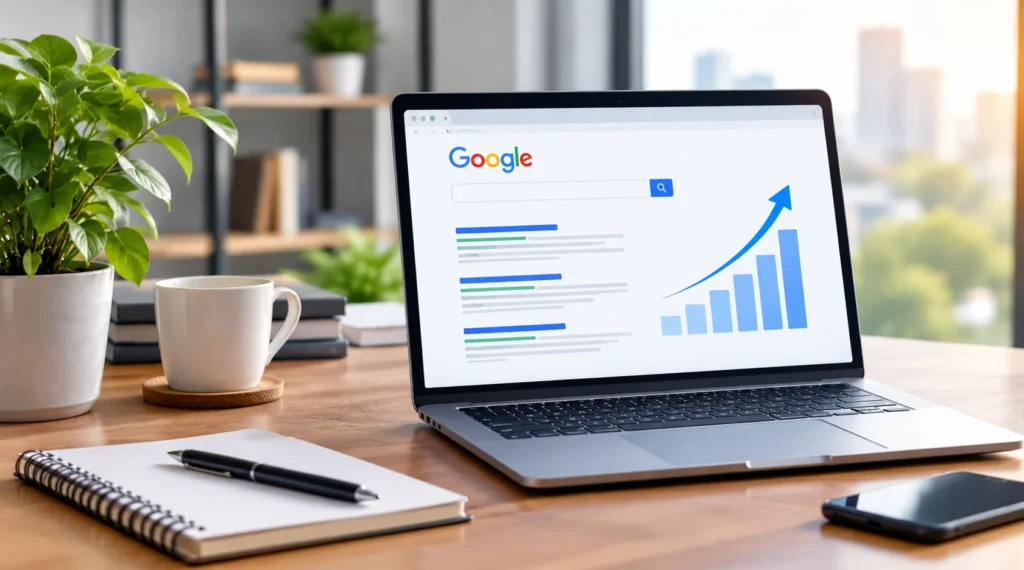
Why SEO Is Still Important for Businesses in 2026

The way people search for products and services has changed significantly. People now use Google, social media, maps, voice assistants, and AI-powered platforms to find information and discover businesses. Even with these changes, search engine optimization, commonly known as SEO, remains an important part of building long-term online visibility. SEO is the process of improving a website so that search engines can understand its content and show relevant pages to people searching for related products, services, or information. Unlike paid advertising, SEO focuses on earning organic visibility through useful content, technical improvements, and website authority. What Does SEO Actually Do? The main purpose of SEO is not simply to achieve a higher ranking. A good SEO strategy helps a business reach people who are already searching for something related to its products or services. For example, someone searching for “digital marketing agency in Delhi” already has a specific requirement. If your website appears for that search, the visitor may become a potential customer. This makes search traffic valuable because it can connect businesses with people who have an existing need. SEO usually involves several areas, including keyword research, on-page optimization, technical SEO, content optimization, local SEO, internal linking, and off-page activities. Keyword Research Comes First Before optimizing a website, businesses need to understand what their potential customers are searching for. This is where keyword research becomes important. Keywords can include broad terms such as “digital marketing” as well as specific searches such as “SEO company for small business.” Long-tail keywords are often more specific and can help businesses target users with clearer search intent. The goal is not to place keywords everywhere. Instead, keywords should be used naturally in relevant pages, headings, content, titles, and other important areas of the website. Content Matters Search engines need content to understand what a website is about. Businesses should therefore create useful content that answers customer questions and provides practical information. A website selling website development services, for example, could publish articles about website costs, mobile-friendly design, WordPress development, landing pages, and common website mistakes. Useful content can attract visitors who are researching a problem before making a purchase decision. Over time, this can help build visibility and trust. Technical SEO Supports Visibility Even good content can struggle if a website has technical problems. Technical SEO focuses on areas such as website speed, mobile responsiveness, crawlability, indexation, URL structure, internal linking, and structured data. A technically healthy website makes it easier for search engines to discover and understand important pages. Businesses should also regularly check broken links, duplicate content, indexing issues, and other technical problems that can affect website performance. Local SEO Helps Nearby Customers Find You For businesses serving specific cities or locations, local SEO can be especially useful. Optimizing a Google Business Profile, maintaining accurate business information, collecting genuine customer reviews, and creating location-relevant website content can improve local visibility. For example, a business serving Delhi may benefit from pages and content that clearly communicate its services, service areas, contact information, and local relevance. SEO Is a Long-Term Process One common misunderstanding is that SEO is a one-time activity. In reality, search visibility requires continuous work. Competitors publish new content, websites change, search behavior evolves, and search engines continuously improve their systems. Because of this, businesses need to monitor performance and make improvements regularly. Important measurements can include organic traffic, keyword positions, impressions, clicks, engagement, leads, and conversions. SEO and Other Digital Marketing Channels SEO does not have to work independently. It can support social media, Google Business Profile, content marketing, paid advertising, and website development. For example, a blog created for SEO can also be shared on social media. A well-optimized service page can support both organic traffic and paid campaigns. Customer questions discovered through SEO research can also become social media content. This creates a connected digital marketing strategy instead of treating every channel separately. Final Thoughts SEO remains an important way for businesses to build discoverability and reach potential customers online. However, successful SEO is not about chasing rankings alone. It is about understanding search intent, creating useful content, maintaining a technically healthy website, and continuously improving the overall digital experience. For businesses that want sustainable online visibility, SEO can become a valuable part of their long-term digital growth strategy.

Digital marketing for brands that want steady, measurable growth.

Services

Contact Us

Copyright@ 2026 DG Smart International. All Rights Reserved.

Scroll to Top